Home / Prosthodontics / Dental Bridges
A gap where a tooth used to be can shift the way the rest of your mouth bites, chews, and speaks, often faster than you expect. A dental bridge closes that gap and restores function before nearby teeth drift out of place.
Google rating
active member, all advanced coursework completed
in practice, including 60th and Park in Manhattan
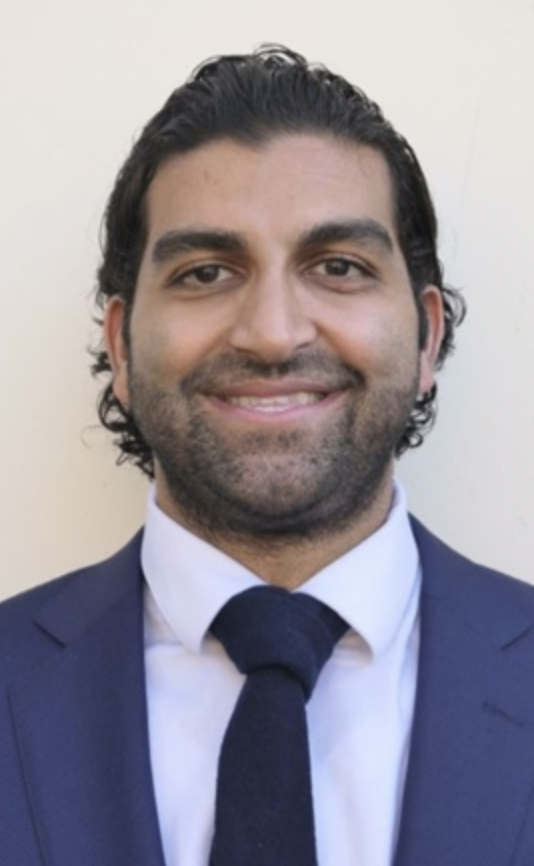
Bridges with Dr. Rickin Vibhakar, DDS
Updated November 2026 · View credentials
Rated 4.7 by Google reviewers
Active member, Kois Center
Advanced implant training, NY Implant Institute
500+ CE hours toward AGD Fellowship
Neighboring teeth tend to drift into an open space over time, gradually shifting your bite. That drift can lead to uneven wear, jaw discomfort, and a harder time cleaning between teeth that were never meant to sit at that angle. Replacing a missing tooth early tends to be more straightforward than waiting until surrounding teeth have already moved.
A bridge anchors to the healthy teeth on either side of the gap, or in some cases to an implant, and holds a replacement tooth in place so the bite stays even. At our studio on Decatur Square, bridges are part of our prosthodontics services in Decatur.

for a traditional bridge
imaging to check the supporting teeth and bone
impressions plan the fit and bite
options and coverage explained before treatment
We evaluate the health of the surrounding teeth, bone density, and your long-term goals before recommending a specific type of bridge.
Anchors to: Crowns on the natural teeth beside the gap
Best when: Those adjacent teeth are already strong
Timeline: Typically two visits
Anchors to: One or more dental implants
Best when: Several teeth in a row are missing
Timeline: Longer, since implants need months to fuse with the bone
Replaces: One tooth, root and all
Neighbors: Left untouched
More: Single-tooth implant
Each approach has different implications for how long the restoration lasts and how it interacts with the teeth around it.
A traditional bridge relies on crowns on the teeth beside the gap, so those teeth need a healthy foundation.
3D CBCT imaging shows whether there is enough bone for an implant to support the replacement.
When several teeth in a row are missing, an implant-supported bridge can be a better long-term option.
We discuss grinding and home care before recommending one path over another.
If a tooth was recently lost due to an accident or infection, reach out as soon as you can, and our emergency dentistry team can protect the area while a permanent solution is planned.
We plan each bridge with 3D CBCT imaging, intraoral cameras, and digital impressions.
We prepare the supporting teeth, take digital impressions, and fit a temporary bridge while the permanent piece is made.
We check the fit, bite, and appearance of the finished bridge before permanently securing it in place.
A well-fitted bridge is built to handle years of normal biting and chewing, but its longevity still depends on how it is treated day to day.
Food and plaque can collect under the artificial tooth, so a floss threader or water flosser becomes part of daily care.
We catch early signs of wear on the supporting teeth or a loosening margin before either becomes a bigger repair.
If you clench or grind, we can talk about a night guard to protect the bridge and the teeth holding it.
Dr. Rickin Vibhakar checks the supporting teeth, gums, and bite before recommending a bridge. He has practiced for more than 10 years, including at 60th and Park in Manhattan, and completed all advanced coursework at the Kois Center.
Nitrous oxide is available if you feel nervous.
Active member, all advanced coursework completed
Including private practice at 60th and Park in Manhattan
CE toward Fellowship in the Academy of General Dentistry
We work with many PPO plans and offer financing through CareCredit and Cherry, and we explain your benefits before treatment.
We work with many PPO plans and check your dental insurance benefits before treatment. In network with:
Ask about financing options through CareCredit and Cherry. We also accept HSA and FSA cards.
Here are answers to common questions about replacing a missing tooth with a bridge. For anything else, call us at (404) 577-9020.
A traditional bridge typically takes two visits, while an implant-supported bridge takes longer because the implants need months to fuse with the bone.
A floss threader or water flosser helps clear food and plaque from underneath the artificial tooth.
It depends on the health of the neighboring teeth, the bone at the site, and your goals, and we review both options with you.
Neighboring teeth tend to drift into the gap, which can shift your bite and lead to uneven wear, jaw discomfort, and harder cleaning. Replacing the tooth early is usually more straightforward.
The pontic is the artificial tooth suspended between the crowns of a bridge. It fills the gap where the missing tooth used to be.
A well-fitted bridge is built to handle years of normal biting and chewing. Daily cleaning under the pontic and regular checkups help it last.
We work with many PPO plans and can check your benefits before treatment. We also offer financing through CareCredit and Cherry.
The longer a gap sits open, the more the teeth around it tend to shift. We will look at the space, the teeth beside it, and whether a bridge or an implant fits you better.
315 West Ponce de Leon Avenue, Suite 240, Decatur, GA 30030
Mon to Thu: 8:00am to 5:00pm | Fri to Sun: Closed
"*" indicates required fields