Home / Dental Implants / Implant-Supported Dentures
A loose or ill-fitting denture can make eating a negotiation and speaking an effort. For many people who have lost most or all of the teeth in one arch, the problem is not the denture itself but the lack of anything stable beneath it.
advanced implant training
Google rating
in practice, including 60th and Park in Manhattan
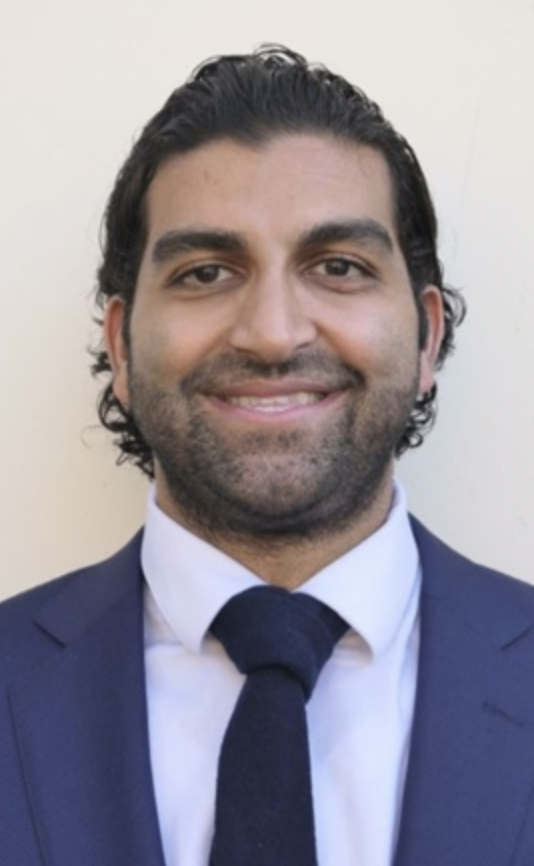
Implant dentures with Dr. Rickin Vibhakar, DDS
Updated November 2026 · View credentials
Advanced implant training, NY Implant Institute
Rated 4.7 by Google reviewers
Active member, Kois Center
500+ CE hours toward AGD Fellowship
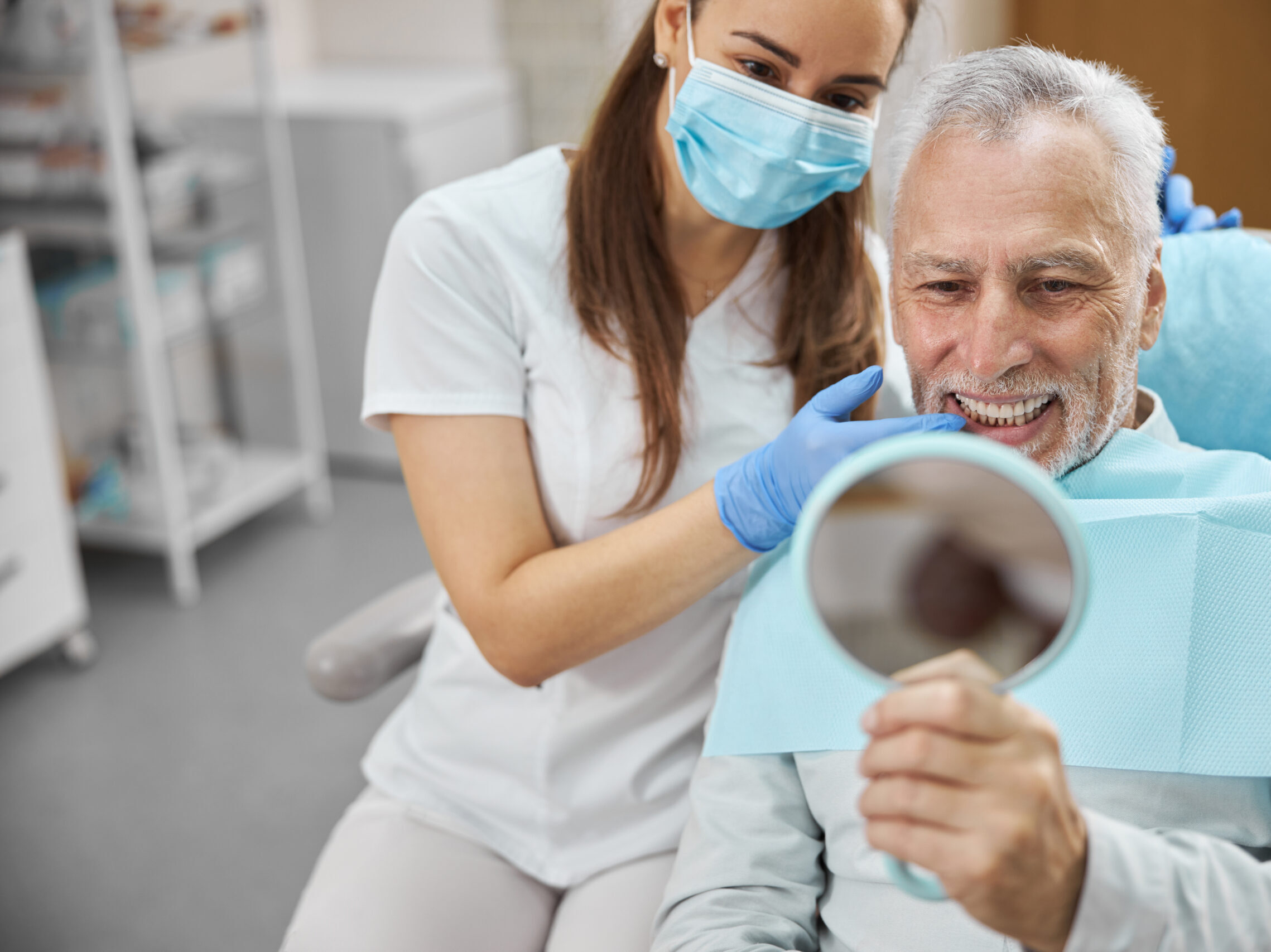
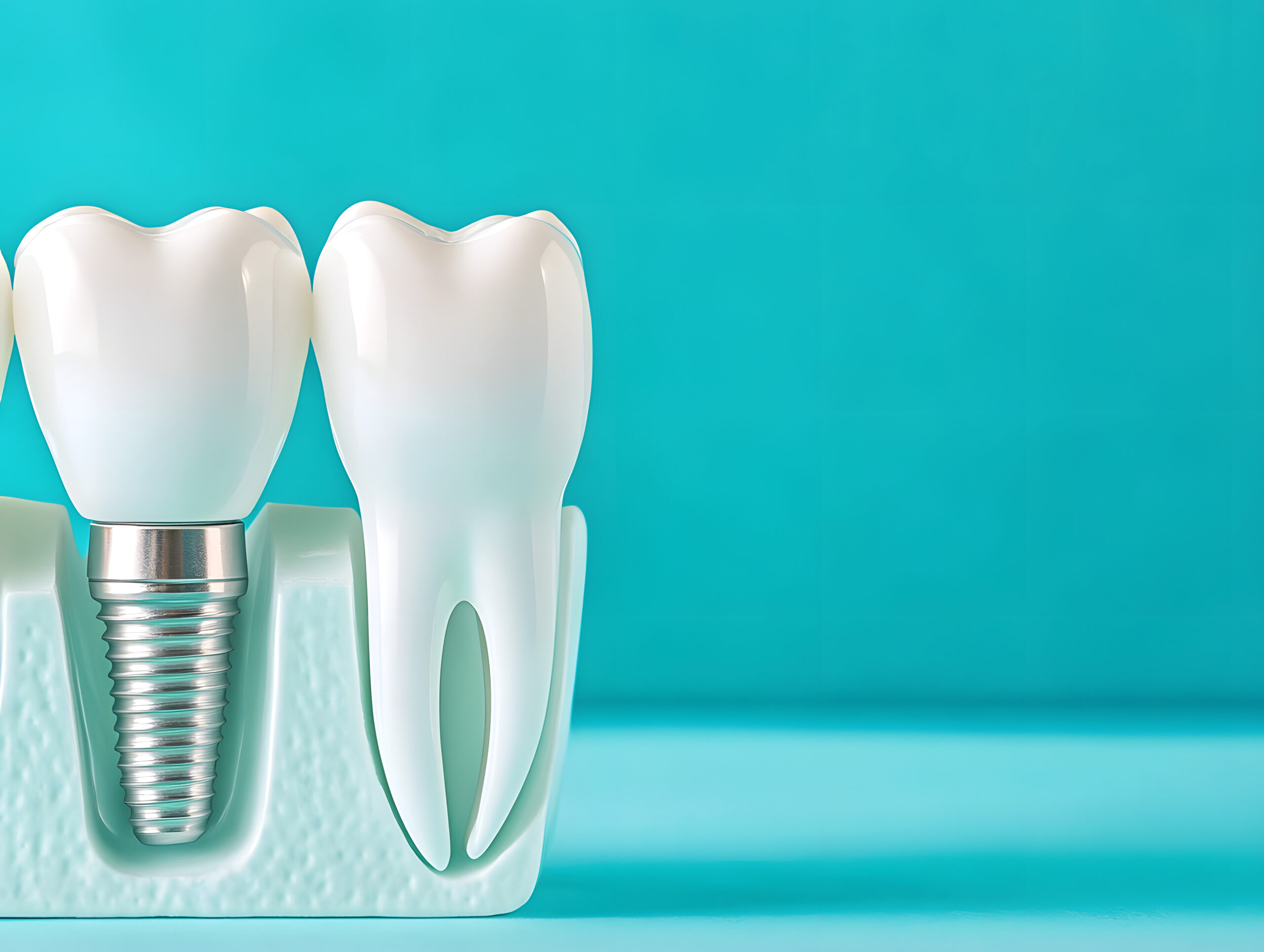
An implant-supported denture, often called an overdenture, snaps onto attachments connected to dental implants placed in the jawbone. Unlike a conventional denture that rests on the gums, it stays firmly in place while you eat and speak. Because the implants share the work, you can chew with more confidence and less irritation to the gums.
At Higher Standards Dental Studio in Decatur, we offer implant-supported dentures and overdentures, along with implant-supported bridges for several missing teeth in a row, as part of our dental implants services.

onto attachments connected to the implants
so you can clean the denture and attachments
of healing before the final prosthesis is attached
implant placement and the custom prosthesis
We compare options based on how many teeth are missing, where they are located, and what the surrounding bone can support. Our prosthodontics services also cover conventional dentures.
An overdenture snaps onto implant attachments and stays secure during daily use, yet comes out for cleaning.
Replaces: Most or all of the teeth in an arch
Removable: Yes, for cleaning
Two or more implants replace several missing teeth in a row without relying on the natural neighboring teeth for support.
Replaces: Several teeth in a row
Removable: No, it stays in place
Patients missing only one tooth may be better served by a single-tooth implant.
Replaces: One missing tooth
Removable: No
We review each one during your consultation, then recommend the approach that best balances function, appearance, and long-term value.
A short gap, several teeth in a row, or most of the teeth in an arch each point toward a different solution.
Implants need enough healthy bone to hold securely, and some patients need bone grafting first.
Overdentures and bridges differ in upfront cost, long-term upkeep, and daily care.
Some patients value a denture they can remove for cleaning, while others prefer a bridge that stays in place.
Held by: Attachments on dental implants
While eating: Stays firmly in place
Cleaning: Removable for cleaning
Upkeep: Retentive inserts are replaced periodically, chairside
Held by: Two or more implants
While eating: Restores biting strength in the area
Cleaning: Stays in place
Neighbors: Natural teeth around the gap are left untouched
Held by: Rests on the gums
While eating: Can slip or move
Learn more: Prosthodontics
3D CBCT imaging, intraoral cameras, and digital impressions show your bone and bite before any recommendation.
Implants are placed in the jawbone, after grafting if the bone needs it.
The implants fuse with the jawbone. The timeline varies with bone quality and case complexity.
Your overdenture or bridge is attached, and we show you how to care for it.
Overdentures need ongoing care. The small retentive inserts inside the denture wear over time and need periodic replacement, which is typically handled chairside.
An implant denture involves both surgery and a custom prosthesis, and Dr. Rickin Vibhakar handles both in the same office. He completed advanced implant training at the NY Implant Institute and guided bone regeneration training with Dr. Matt Fein and Dr. Israel Puterman, and he has more than 10 years of clinical experience.
Weighted blankets, noise-canceling headphones, stress balls, lip balm, and nitrous oxide are available for patients who want extra comfort.
Advanced implant training
Guided bone regeneration training with Dr. Matt Fein and Dr. Israel Puterman
Including private practice in Manhattan
We work with many PPO plans and offer financing through CareCredit and Cherry, and we review costs with you before treatment.
Here are answers to some common questions about implant-supported dentures and bridges. For anything else, call us at (404) 577-9020.
Yes. An overdenture snaps onto attachments on the implants and stays secure during daily use, yet you can take it out for cleaning. Keeping both the denture and the attachments clean is a routine part of daily care.
It depends on the arch, your bone, and the type of restoration. Imaging shows what your anatomy can support.
Some patients do. If the jawbone cannot support implants securely, grafting may be recommended before implant placement, and imaging shows whether it is needed in your case.
Healing after implant placement typically takes a few months before the final prosthesis is attached, though the timeline varies with bone quality and case complexity.
An overdenture replaces most or all of the teeth in an arch and can be removed for cleaning. An implant-supported bridge replaces several teeth in a row using two or more implants and stays in place.
Yes. The small retentive inserts inside the denture wear over time and need periodic replacement, which is typically handled chairside.
Often, yes. If your denture slips when you eat or talk, a consultation will show whether implants can hold it in place and how many you would need.
If your denture slips when you eat or talk, a consultation will show whether implants can hold it in place and how many you would need.
315 West Ponce de Leon Avenue, Suite 240, Decatur, GA 30030
Mon to Thu: 8:00am to 5:00pm | Fri to Sun: Closed
"*" indicates required fields