- 315 W Ponce de Leon Ave, Suite 240, Decatur, GA 30030
- Mon to Thu, 8:00am to 5:00pm
- (404) 577-9020
Home / Oral Surgery / Wisdom Tooth Removal
A dull ache at the back of the jaw or swelling that will not settle down is often the first sign that a wisdom tooth is becoming a problem. The jaw rarely has enough room for teeth that arrive after the rest of the smile has settled.
Google rating
active member, all advanced coursework completed
in practice, including 60th and Park in Manhattan
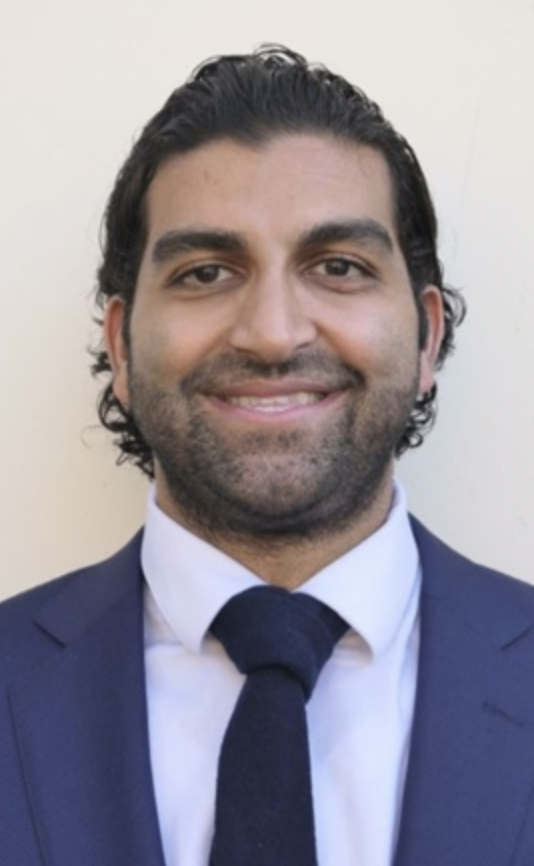
Wisdom tooth care with Dr. Rickin Vibhakar, DDS
Updated November 2026 · View credentials
Rated 4.7 by Google reviewers
Active member, Kois Center

Advanced implant training, NY Implant Institute

500+ CE hours toward AGD Fellowship
Wisdom teeth, or third molars, are the last teeth to develop, typically emerging in the late teens or early twenties after the rest of the permanent teeth have already claimed their space. When a wisdom tooth cannot fully erupt, it can become impacted, growing in at an angle, pressing against a neighboring molar, or staying partly trapped beneath the gum line.
That partial eruption creates an opening where bacteria and food debris can collect, which can lead to infection, swelling, and pain. We evaluate wisdom teeth early so you can address impaction or crowding before it turns into damage to neighboring teeth. Wisdom tooth removal is part of our oral surgery in Decatur.

of people had at least one impacted wisdom tooth*
wisdom teeth were impacted more often than upper ones*
shows the angle, the roots, and nearby nerves
some wisdom teeth can simply be monitored
*2024 systematic review and meta-analysis of 98 studies.
We never recommend extraction as a default without reviewing the position and condition of each tooth. These are the signs we look for.
Recurring discomfort near the back of the jaw often signals an infection or pressure from an impacted tooth.
A wisdom tooth pushing against a neighboring molar can strain that tooth and the area around it.
Partly erupted wisdom teeth create pockets that are hard to reach with brushing and flossing, raising the risk of decay.
In some cases, an impacted tooth can lead to a fluid-filled cyst that damages surrounding bone if left untreated.
CBCT shows exactly how a wisdom tooth is angled, how close its roots sit to nearby nerves, and whether it is affecting the molar next to it.
If a wisdom tooth is fully erupted, properly aligned, and not causing problems, we may recommend monitoring it over time.
Many patients feel normal within a few days after a simple extraction, while surgical sites, which are common with impacted wisdom teeth, may take a week or two. If you have sudden, severe pain from a wisdom tooth, our emergency dentistry team can help.
An exam and a 3D scan show whether your wisdom teeth need to come out or can simply be watched.
Local anesthesia numbs the area so most patients feel pressure rather than pain, and you can ask for a break at any time.
For the first few days, avoid smoking, straws, and hard spitting, since losing the clot can cause dry socket.
Your wisdom tooth removal happens in the same office where you get your regular care, so any follow-up, bone graft, or replacement can be planned together. Dr. Rickin Vibhakar completed advanced implant training at the NY Implant Institute and guided bone regeneration training with Dr. Matt Fein and Dr. Israel Puterman, and he has practiced for more than 10 years, including at 60th and Park in Manhattan.
Nitrous oxide, weighted blankets, noise-canceling headphones, stress balls, and lip balm are available to help you relax. Before the procedure, Dr. Vibhakar explains your diagnosis, your options, and what recovery may look like.
Advanced implant training
Guided bone regeneration training
Including private practice at 60th and Park in Manhattan
We work with many PPO plans, and we offer financing through CareCredit and Cherry for patients whose coverage does not fully offset the cost of oral surgery.
We work with many PPO plans and check your dental insurance benefits before treatment. In network with:



Ask about financing options through CareCredit and Cherry. We also accept HSA and FSA cards.
Here are answers to common questions about wisdom tooth removal. For anything else, call us at (404) 577-9020.
No. If a wisdom tooth is fully erupted, well aligned, and easy to keep clean, we may recommend monitoring it instead.
An exam and a 3D CBCT scan show how the tooth is angled, whether it is trapped under the gum, and how close its roots sit to nearby nerves.
Partial eruption creates an opening where bacteria and food debris can collect, which can lead to infection, swelling, and pain.
Most wisdom tooth extractions are performed in our office using local anesthesia, so most patients feel pressure rather than pain. Nitrous oxide is available if you feel nervous.
It depends on the type of extraction. Simple extractions often take a few days, while surgical sites may take a week or two.
Protecting the blood clot that forms in the socket is the most important step. For the first few days, avoid smoking, straws, and hard spitting, since losing the clot can cause a painful condition called dry socket.
Sudden, severe pain or swelling near a wisdom tooth should be checked soon. Call our office and our emergency dental team can help.
Pain or swelling at the back of the jaw tends to come back until the cause is dealt with. An exam and a 3D scan will show whether your wisdom teeth need to come out or can simply be watched.
315 West Ponce de Leon Avenue, Suite 240, Decatur, GA 30030
Mon to Thu: 8:00am to 5:00pm | Fri to Sun: Closed
"*" indicates required fields
