Home / Cosmetic Dentistry / Composite Bonding
A chipped front tooth or a stubborn gap can feel like a bigger problem than it is. Composite bonding often solves that exact kind of concern in a single visit, with little or no removal of healthy tooth structure.
Google rating
active member, all advanced coursework completed
in practice, including 60th and Park in Manhattan
Composite bonding with Dr. Rickin Vibhakar, DDS
Updated November 2026 · View credentials
Rated 4.7 by Google reviewers
Active member, Kois Center
Member, American Academy of Clear Aligners
500+ CE hours toward AGD Fellowship
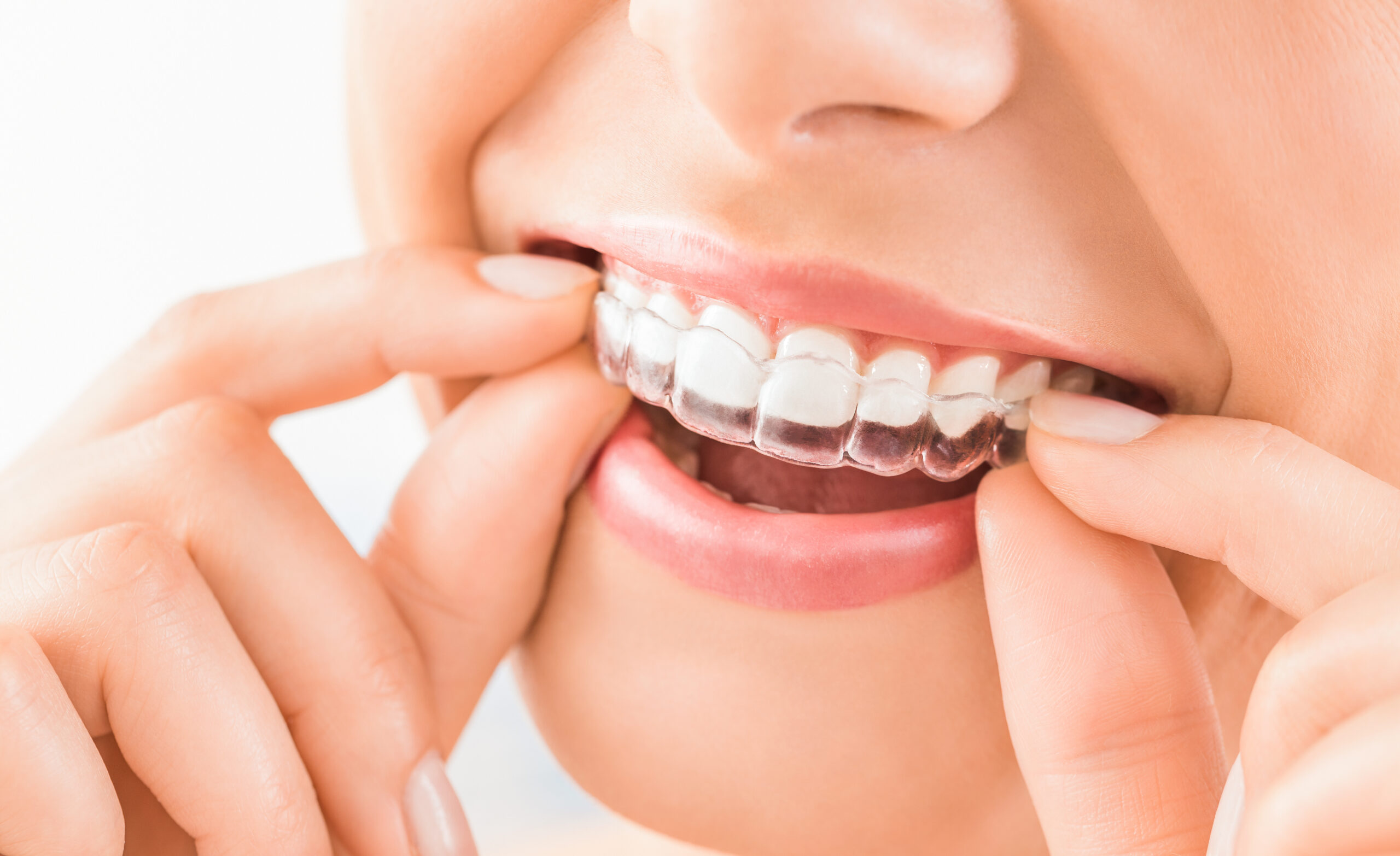
Bonding uses a tooth-colored composite resin, the same material often used in modern fillings, to reshape or repair the visible surface of a tooth. Because the resin bonds directly to the tooth, it can rebuild a chipped edge or close a small gap without a crown or veneer covering the whole tooth.
At Higher Standards Dental Studio on Decatur Square, we use bonding as a fast, conservative way to correct small imperfections, and it is one of the more accessible options within our cosmetic dentistry services. We take a judgment-free approach, whether a chip happened yesterday or has been bothering you for years.
for many small chips and gaps
healthy enamel removed
anesthesia needed in many cases
and shade-matched to the teeth around it
Because the material is sculpted directly onto the tooth and shaped by hand, it works well for small, visible concerns.
A chipped edge can be rebuilt and polished to blend with the surrounding enamel.
Small spaces between teeth can often be closed without orthodontic work.
Slightly turned teeth can look straighter when their visible surface is reshaped.
We start by looking at the size of the imperfection, the location of the tooth, and how much of the visible surface needs to change. We also factor in your daily habits.
Patients who grind their teeth at night may need a night guard alongside bonding to protect the repair from excess wear.
Front teeth generally hold up well under bonding, while back teeth under heavy chewing pressure may call for a different restoration.
Bonding can stain over time, so coffee, tea, and red wine drinkers should know what to expect.
Patients planning clear aligner treatment may want to sequence bonding after alignment is complete for the most accurate result.
Intraoral cameras and digital impressions help us plan the repair and select a composite shade that matches the surrounding teeth.
We apply the material and sculpt it directly onto the tooth.
A specialized light cures the resin so it sets in place.
We polish the bonded area so it blends with the natural shine of the surrounding enamel.
Once we understand your teeth and habits, we recommend whether bonding, a veneer, or another option will hold up best over time.
Best for: Small chips and gaps
Enamel removed: Little or none
Visits: Often one
Best for: Larger changes or extensive discoloration
Enamel removed: A small amount from the front
Learn more: Porcelain veneers
Best for: Teeth with structural damage
Covers: The whole tooth
Learn more: Dental crowns
Tooth-colored composite can reshape narrow or tapered front teeth for a more balanced look, often in a single visit.
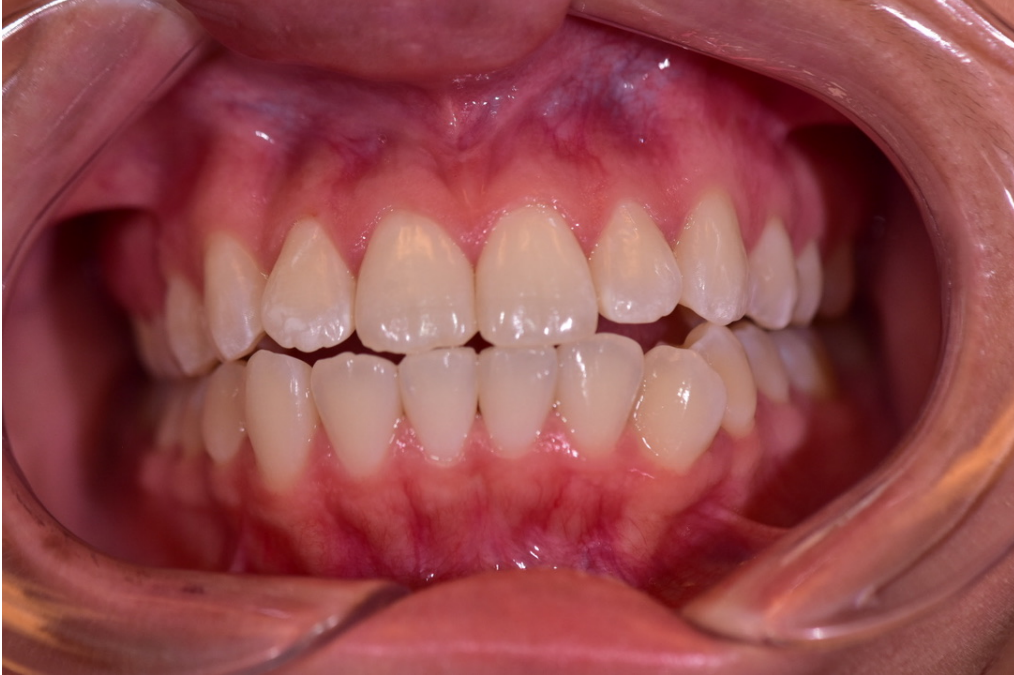
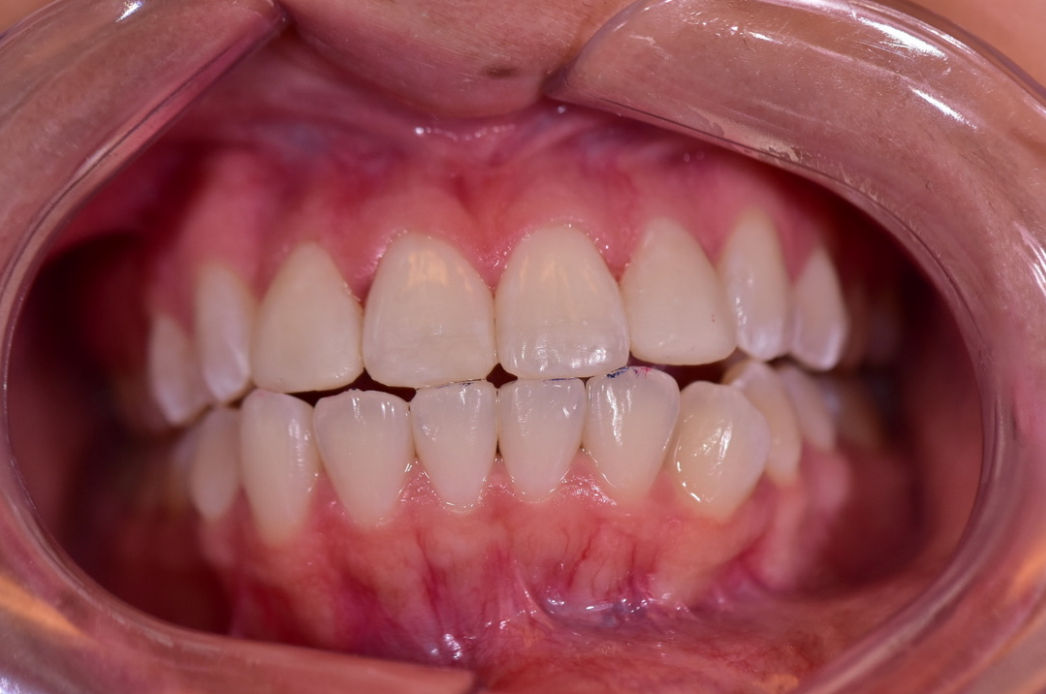
Each pair shows the starting point and the finished result. Every mouth is different, and results vary from person to person.
Dr. Rickin Vibhakar treats even a small repair with careful planning, matching shade, shape, and texture to the teeth around it. He has more than a decade of clinical experience, including private practice at 60th and Park in Manhattan, and is an active Kois Center member.
Nitrous oxide, weighted blankets, noise-canceling headphones, stress balls, and lip balm are available if you want extra comfort.

Active member, all advanced coursework completed
CE toward Fellowship in the Academy of General Dentistry
Including private practice in Manhattan
Bonding that also repairs damage, such as a chipped tooth, may qualify for partial coverage. Our team checks your benefits before treatment.
We work with many PPO plans and check your dental insurance benefits before treatment. In network with:
We offer financing through CareCredit and Cherry to help you move forward with a plan that fits your budget. We also accept HSA and FSA cards.
Here are answers to some common questions about composite bonding. For anything else, call us at (404) 577-9020.
Bonding can stain over time, similar to natural enamel, so habits like drinking coffee, tea, or red wine are worth discussing.
Neither is better for everyone. Bonding suits small chips and gaps and removes little or no enamel, while a veneer may suit larger changes, so we review both with you.
Patients who grind their teeth may benefit from one, since a night guard helps protect the repair from excess wear.
Small gaps are often a good fit for bonding, and we check the size of the gap and your bite before recommending it.
Bonding may need touch-ups after several years. How long it lasts depends on the location of the tooth, your bite, and habits like grinding or drinking coffee, tea, or red wine.
Because bonding involves little or no removal of tooth structure, it often needs little or no anesthesia, and many repairs are finished in a single visit.
Cosmetic work often falls outside standard coverage, but bonding that also repairs damage, such as a chipped tooth, may qualify for partial coverage. We also offer financing through CareCredit and Cherry.
A chip or small gap tends to catch on floss and trap food, and it rarely stops bothering you once you have noticed it. A short visit is often enough to tell whether bonding can fix it.
For chips or breaks that happen unexpectedly, reach out as soon as you can, and our emergency dentistry services can help protect the tooth.
315 West Ponce de Leon Avenue, Suite 240, Decatur, GA 30030
Mon to Thu: 8:00am to 5:00pm | Fri to Sun: Closed
"*" indicates required fields